

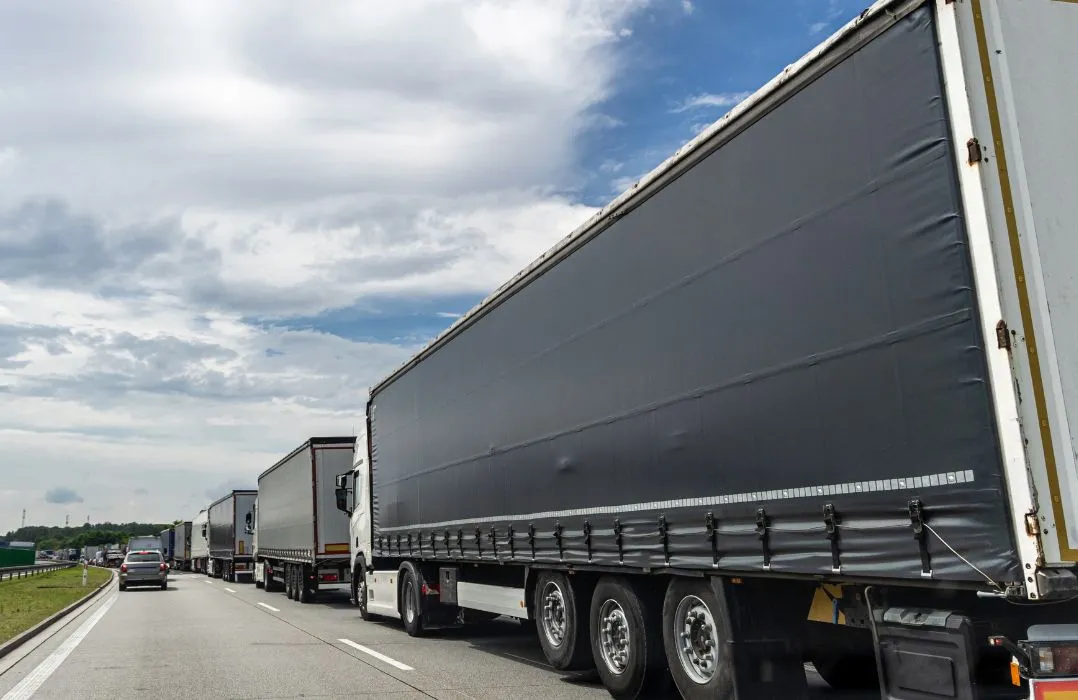
Commercial trucks are a familiar sight across Montana’s highways. From the busy stretches of I-90 and I-15 to rural routes carrying agricultural products and heavy equipment, trucking moves the state’s economy. With so many large vehicles sharing space with everyday drivers, rules are in place to keep the roads safe and to hold carriers accountable when they fall short.
What federal regulations apply to truck drivers and carriers? Here is what applies to these parties and what it can mean to a personal injury case.
The Foundation of Trucking Standards
The Federal Motor Carrier Safety Administration (FMCSA) oversees commercial trucking throughout the United States. These regulations apply across state lines, including Montana. Most in-state carriers follow these rules since the state has adopted many of the same standards. These regulations influence everything from how long a driver can stay on the road to how often a truck must be inspected.
Hours-of-Service (HOS) Regulations
Driver fatigue is one of the biggest contributors to truck-related crashes. To address this risk, the FMCSA limits how long drivers can work and mandates rest periods.
The main HOS rules include:
- A maximum of 11 driving hours after 10 consecutive hours off duty
- A 14-hour limit on total daily on-duty time
- Mandatory 30-minute breaks after 8 hours of work
- A weekly limit of 60 or 70 hours, depending on the carrier’s schedule
If a collision occurs and an investigation shows a driver exceeded these limits, it can be a major factor in establishing liability.
Electronic Logging Devices (ELDs)
Hours-of-service rules need to be reinforced. For that reason, all trucks must use Electronic Logging Devices. These systems automatically record a driver’s on-duty and driving time.
Montana carriers must comply with federal ELD requirements unless they qualify for exemptions, such as short-haul operations or trucks with pre-2000 engines.
Drug and Alcohol Testing Requirements
There are also testing requirements for drivers. These federal regulations require truck drivers to undergo:
- Pre-employment drug testing
- Random alcohol and drug testing
- Post-accident testing in qualifying crashes
- Testing based on reasonable suspicion
These standards apply uniformly in Montana, no matter whether a driver is transporting goods across state lines or operating within the state. A failed test or a carrier’s failure to perform required testing can be strong evidence of negligence in an injury claim.
CDL Standards and Driver Qualifications
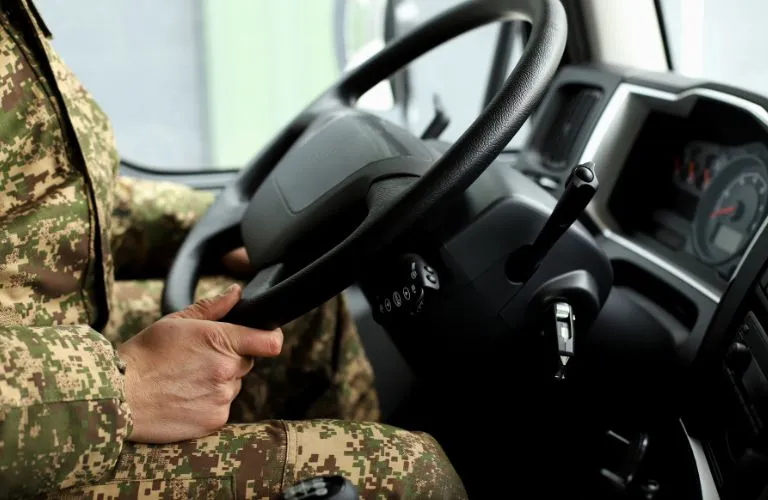
Every commercial truck driver in Montana must hold a valid Commercial Driver’s License (CDL) that meets federal requirements. All drivers must:
- Pass written and road tests
- Meet the medical and physical qualifications
- Maintain a clean driving record according to FMCSA standards
What happens if a driver with a suspended CDL or disqualifying violation is allowed to operate a truck? In that case, both the driver and the carrier may be liable in the event of a crash.
Inspection, Repair, and Maintenance Requirements
The FMCSA requires carriers to maintain their fleets in a safe operating condition. This includes:
- Regular inspections
- Documented maintenance records
- Prompt repair of any safety-related issues
When a truck involved in a collision has worn-out components or missing inspection documentation, it often indicates a failure to follow mandatory federal safety standards.
Cargo Securement Regulations
Improperly secured cargo is a major cause of rollovers, jackknifes, and shifting-load accidents. There are even cargo securement rules. They require:
- Adequate tie-downs
- Proper weight distribution
- Securement devices that meet minimum strength standards
Why These Regulations Are Important in Montana Injury Cases
When a commercial truck collision leads to injuries, federal safety rules often play a role in determining what happened and who may be legally responsible. If an investigation reveals that a driver or carrier failed to follow required safety standards, that violation can directly support a finding of negligence.
These cases can expand beyond the actions of the individual driver. When a carrier overlooks its obligations, such as proper training, supervision, or routine maintenance, those systemic failures can expose the company itself to liability.
Violations of Federal Rules Can Affect Your Case
Federal trucking regulations for truck drivers and carriers protect drivers, passengers, and everyone traveling Montana’s highways. For anyone injured in a crash involving a commercial truck, these regulations are needed to determine what went wrong and who may be held accountable. AFJ Law Firm PLLC is ready to help.At AFJ Law Firm PLLC – Personal Injury, Car Accident, and Insurance Law, we are here to help you through the entire claims process, including proving fault in these accidents. Click here to visit our Montana Personal Injury Frequently Asked Questions page. Click here to visit our Commercial Trucking and Semi-Truck Accident practice area page. Contact us if you still have questions about your Montana trucking accident case.